Best Plastic-Free Coffee Grinders
Burr grinders - manual and electric - for grinding coffee beans. The other essential piece of a plastic-free coffee setup, alongside the brewer and kettle.
Why plastic matters here
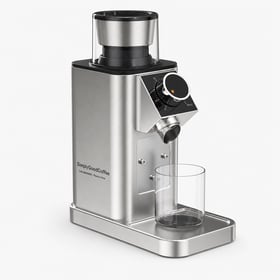
Beans and ground coffee pass through the hopper, the burrs, the grinding chamber, and the catch bin. The burrs themselves are steel or ceramic on any decent grinder, so they're not the concern - the plastic hides in the hopper and the catch bin. And ground coffee is oily and staticky: it clings to plastic, picks up static, and scatters everywhere. Most electric grinders use a plastic hopper and a static-prone plastic bin, while manual hand grinders are the easy plastic-free route - a metal body, steel or ceramic burrs, and a metal or glass catch. That's finally starting to change on the electric side: Simply Good Coffee's grinder (below) runs beans and grounds through glass and steel only - the first genuinely plastic-free electric grinder.
What to look for
- Burrs are steel or ceramic on any real burr grinder - that part isn't the plastic issue
- The hopper and catch bin are where plastic hides - look for metal, glass, or ceramic
- Manual hand grinders are the most reliably plastic-free route - see the hand grinders section below for the picks
- Static makes grounds cling to plastic bins - a metal or glass catch also just works better
- Skip blade/whirlblade grinders - a burr grind is far better regardless of materials
Recommended
The product we recommend in this category.
Avoid
Popular options that look plastic-free but aren't — and whole categories worth skipping.
Fellow Opus
A stylish, well-reviewed electric grinder that people assume is a clean upgrade - but the hopper, the catch cups, and the body are plastic, so beans and grounds travel entirely through plastic. Its whole appeal (an anti-static ionizer) exists precisely because the grounds path is static-prone plastic. If you want to keep coffee out of plastic, a metal-bodied hand grinder does it and this doesn't.
Baratza Encore
The default recommended home electric grinder, but the bean hopper and the grounds catch bin are plastic and the grounds path is plastic throughout - static and all. A fine grinder, not a plastic-free one.
Fellow Ode (Gen 2)
Premium single-dose electric grinder with an aluminum body and steel burrs, but Fellow's own materials line reads "Aluminum body, plastic load bin and base, stainless steel burrs" - so the bean load bin is plastic and beans enter the grind path through plastic despite the metal exterior.
Blade / whirlblade grinders
Skip regardless of materials - a blade grinder chops unevenly and can't produce a proper burr grind. Most also use a plastic grinding chamber.
Hand Grinders
Manual hand-crank burr grinders - the most reliably plastic-free way to grind coffee. A metal body, steel or ceramic burrs, and a metal or glass catch, with no plastic hopper or static-prone plastic bin.
What to look for in hand grinders
- The plastic-free take is simply "any all-metal manual grinder," not one specific brand - judge the grounds path, not the logo
- Popular picks like the Comandante and 1Zpresso are r/Coffee favorites for grind quality, not a plastic-free-community consensus - weigh them on materials, not hype
- Check for hidden plastic beans pass through - an internal frame, a POM burr insert, or a hopper lid - even on grinders with an all-metal exterior
- A metal or glass catch cup beats a plastic one for static too: grounds cling less and scatter less
- Vintage-style painted/decorative grinders can carry a California Prop 65 warning for cadmium in the finish - prefer bare metal over a painted retro look
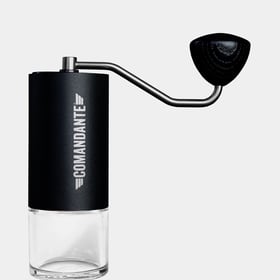
Comandante C40 MK4
A premium stainless-steel hand grinder that ships with a glass catch jar - about as close to plastic-free as a high-end grinder gets, held back only by a plastic internal frame in the grind path.
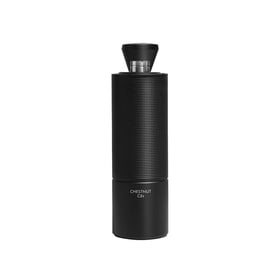
Timemore Chestnut C3
A budget aluminum-body hand grinder with an all-metal catch cup - but a plastic hopper lid and internal plastic stabilizers in the bean path.
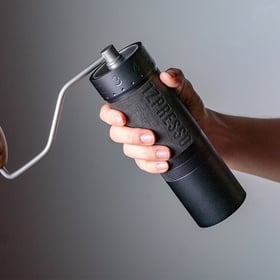
1Zpresso J-Max
A CNC metal-bodied manual espresso grinder whose only bean-contact plastic is a removable hopper lid.
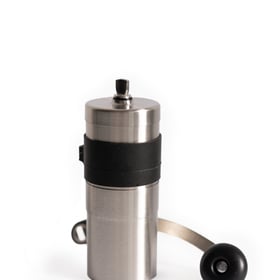
Porlex Mini II
A compact Japanese hand grinder with a stainless lid and grinds cup and rust-proof ceramic burrs - but a POM (plastic) body that the beans sit in, so it isn't fully plastic-free.
Avoid
Hario Skerton Plus
Ceramic burrs and a glass catch bowl, but the hopper and body the beans travel through are polypropylene - minimal-contact, not the plastic-free grinder it's mistaken for.
Related:Pour-Over Coffee Makers· Electric Kettles